
What Parents Often Notice in January
Is It ADHD, Anxiety, or Immaturity?
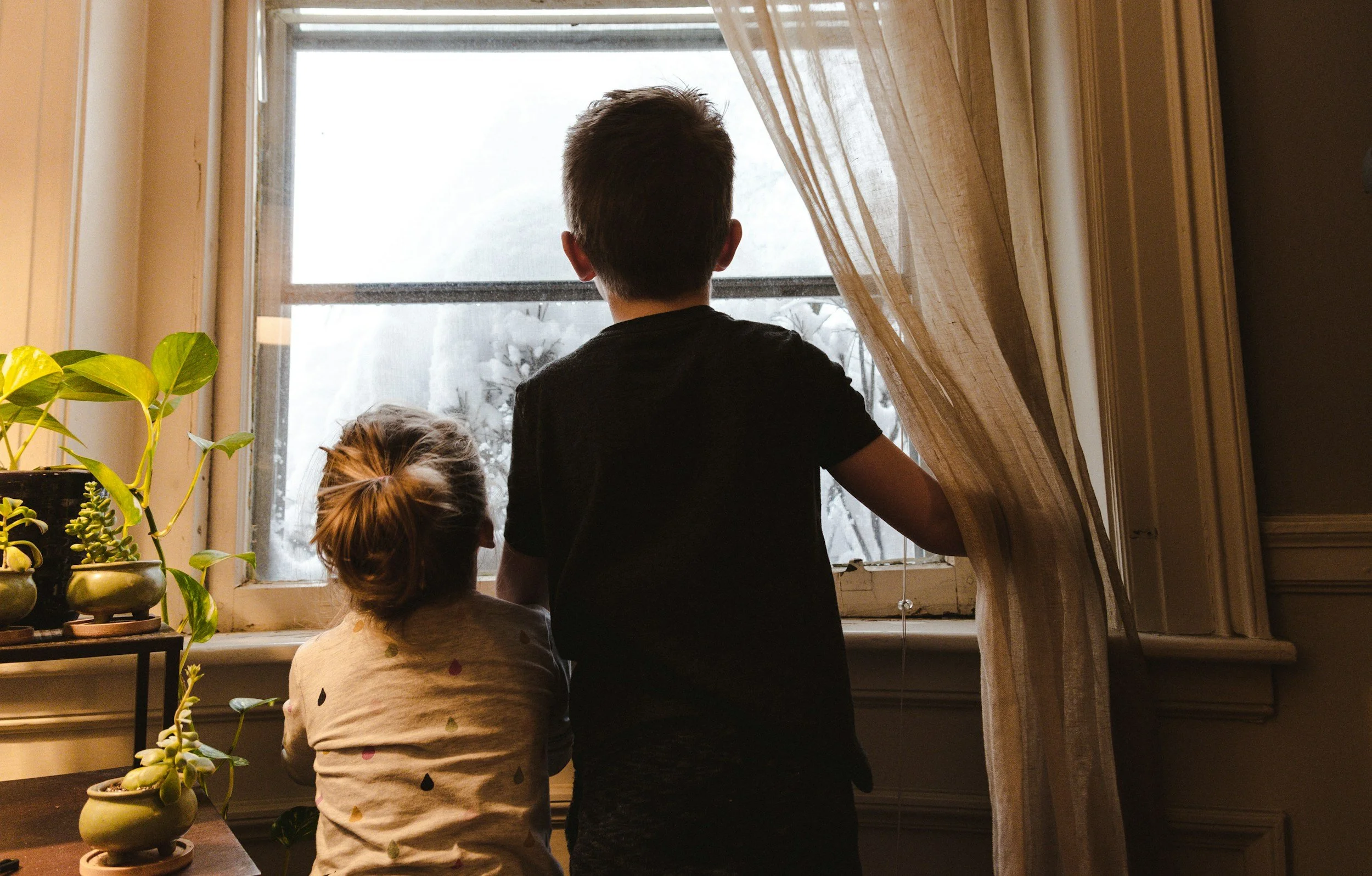
January is one of the busiest months for parent concerns about behavior—and for good reason. After winter break, many families notice that their child is suddenly more emotional, distractible, oppositional, or less independent than they were before the holidays.
Parents often ask:
“Did something change?”
“Is this ADHD?”
“Is my child anxious?”
“Or are they just not ready yet?”
The answer is often more nuanced than a single label. Let’s break down what parents commonly notice in January—and how to think clearly about what it might mean.
Why January Brings Behavior Concerns to the Surface
Several factors converge at once:
Disrupted routines, such as sleep, meals, and travel;
Less daylight and outdoor time (which often means less movement throughout the day); and
Increasing academic and behavioral expectations as the school year reaches mid-year.
For many children, especially those with developing self-regulation skills, this combination can temporarily overwhelm their nervous system. What looks like “new” behavior is often stress plus developmental vulnerability showing up more clearly.
ADHD, Anxiety, or Developmental Immaturity?
ADHD may look like:
Difficulty sustaining attention even for preferred tasks;
High activity levels throughout the day (e.g., at home and at school);
Impulsivity that interferes with learning or friendships;
Challenges that were present before winter break and earlier in development
ADHD symptoms must be persistent, cross-setting, and developmentally inappropriate, not just situational or seasonal (APA, 2022).
Anxiety may look like:
More frequent emotional meltdowns;
Physical/body complaints (headaches, stomachaches);
Difficulty separating from caregivers and home after break; or
Perfectionism, shutdowns, or refusal rather than impulsivity.
In January, anxiety often increases as children transition back to structured expectations and performance demands.
Developmental immaturity or skill lag may look like:
Difficulty meeting classroom behavior expectations compared to peers;
Emotional reactions that feel “younger” than expected;
Struggles primarily in high-demand moments (transitions, group work); or
Skills (such as organizing belongings) that your child can access sometimes - but not yet consistently.
Importantly, immaturity is not a diagnosis. It reflects a mismatch between adult’s expectations and a child’s current skill development, especially in executive functioning and emotional regulation.
What to Do When Behavior Worsens After Winter Break
Post-break behavior changes do not automatically mean:
Your child is regressing
You missed something earlier
A diagnosis is suddenly required
Research consistently shows that self-regulation and executive functioning develop unevenly, especially in young children and neurodivergent learners (Center on the Developing Child, Harvard University).
That said, January is an appropriate time to pause and reflect. Instead of focusing on labels, start with curious observation:
What situations are hardest?
What are you doing that helps behavior improve?
Is your child more regulated with structure, connection, or predictability?
January doesn’t reveal what’s “wrong” with your child—it often reveals what support they need right now. With the right lens, this season can become a turning point toward clarity, compassion, and effective support.
If you’re feeling unsure about what you’re seeing—or want help determining next steps—I offer parent consultation, coaching, and therapy via telehealth across Illinois. I help families understand their child’s needs and build practical, evidence-based supports.

Sarah Gebhardt, Ph.D., NCSP
Hi! I’m a licensed clinical psychologist and nationally certified school psychologist with over 15 years of experience in schools and private practice. I help overwhelmed parents and educators feel more confident, supported, and equipped to navigate and find peace in caregiving.